
What Are Class 4 Impact Resistant Shingles — And Are They Worth It in Colorado Springs?
If you’ve gotten a roofing estimate in the last few years, you’ve probably heard someone mention Class 4 shingles. The pitch is simple: pay a little more upfront, get a better roof, save money on insurance. In most of the country, that’s a nice-to-have. In Colorado Springs, it’s a calculation worth running seriously.
El Paso County sits squarely in Hail Alley — the corridor stretching from southern Wyoming through Denver and down to Colorado Springs that produces more hail events per year than almost anywhere in the United States. June is the peak month for severe hail reports in El Paso County, and the season runs April 15 through September 15. Colorado recorded 400 hailstorms in 2023, and reports of baseball-sized hail have nearly tripled along the Front Range since 2019. Your roof isn’t occasionally dealing with hail. It’s dealing with it every year.
Class 4 shingles were designed for exactly this market. Here’s what they are, how the rating system works, and how to decide if they make sense for your home.
What Makes a Shingle “Class 4”?
Class 4 is the highest impact resistance rating under UL 2218, the national standard developed by Underwriters Laboratories for roofing materials. The test is straightforward: a 2-inch steel ball weighing roughly 1.2 pounds is dropped from 20 feet onto the same spot twice. To earn a Class 4 rating, the shingle must show no cracking or fracturing after both impacts. The material either holds or it doesn’t.
For comparison, a Class 3 shingle is tested with a 1.75-inch ball from 17 feet, and a standard architectural shingle typically carries no UL 2218 rating at all. The difference in real-world performance between a rated Class 4 product and an unrated one in a Colorado hailstorm is significant. According to the Colorado Roofing Association, Class 4 is now considered the baseline recommendation for homes in hail-prone areas across the Front Range.
The rating applies across multiple roofing types — polymer-modified asphalt shingles, stone-coated steel like Decra, and metal panels all qualify if they pass the test. What earns the designation is performance, not material.
How Does Colorado Springs Hail Season Compare to the Rest of the Country?
Colorado Springs gets hit harder than most homeowners expect. Doppler radar has recorded hail at or near Colorado Springs on 228 occasions in tracked history, including 22 times in the past year. The city sits in a well-documented high-frequency zone, and hail events here regularly produce stones over two inches in diameter. Baseball-sized hail (2.75 inches) is reported multiple times per year along the Front Range.
What makes this harder on roofs than the raw frequency suggests is elevation. At 6,035 feet, hailstones don’t shrink from evaporation the way they do at lower altitudes, arriving at your roof closer to their original size. Combine that with 300-plus days of UV exposure per year and freeze-thaw cycles every winter, and standard asphalt shingles here are working harder than their warranties were written for. A shingle rated for 25 years in a mild climate may realistically last 15 in Colorado Springs before a hail season accelerates the decline.
This is one of the things our team covers during a free hail damage roof inspection in Colorado Springs — not just what’s visibly damaged, but what the roof’s overall condition and material rating means for its remaining lifespan.
The Insurance Savings Are Backed by State Law
This part of the Class 4 conversation doesn’t get enough attention. Colorado Revised Statutes CRS 10-4-110.8 requires insurance companies operating in Colorado to offer premium discounts or credits for roofs installed with impact-resistant materials. This isn’t a program some carriers offer as a courtesy — it’s a legal requirement for any insurer writing homeowner policies in Colorado.
The actual discount varies by carrier and policy structure. Most Colorado insurers offer premium reductions ranging from 5% to 25%, with some carriers applying higher credits depending on the policy. On a Front Range homeowner’s insurance premium — which commonly runs $3,000–$5,000 annually because of hail risk — even a 15% discount saves $450–$750 per year. At 25%, that’s $750–$1,250 back annually.
The upgrade cost from standard to Class 4 asphalt shingles on a typical Colorado Springs roof runs roughly $1,000–$3,000 depending on roof size and product. At a conservative insurance savings rate, the upgrade pays for itself within a few years, then keeps saving you money for the life of the roof. To claim the discount, your insurer will need documentation confirming the installed product’s UL 2218 Class 4 rating. Pierce Roofing provides that paperwork at project completion.
Which Class 4 Products Does Pierce Roofing Install?
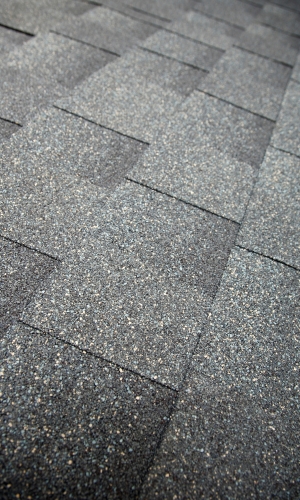
We install Two Atlas Class 4 shingle lines on Colorado Springs residential roofs, and the right choice depends on your home’s architecture, your budget, and how long you plan to stay.
Atlas Pinnacle Impact is our most common Class 4 recommendation for homeowners replacing after a hail event. It carries a lifetime limited warranty, Scotchgard Protector coating that resists algae growth, and a clean traditional look that works across most home styles in the area.
Atlas StormMaster Shake is the right call for homeowners who want the dimensional look of a wood shake profile with the performance of a rated impact-resistant product. The texture reads well on larger homes and certain architectural styles common in Flying Horse and Broadmoor.
Atlas StormMaster shingles are available in Shake and Slate profiles, giving homeowners the dimensional look of wood shake or slate with Class 4 performance underneath. The Shake profile works especially well on larger homes and architectural styles common in Flying Horse, Broadmoor, and Stetson Hills. The Slate profile brings heavier shadow lines and more visual depth, and is a strong fit for older homes in Old North End and Cheyenne Mountain with a more traditional roofline.
Both product lines carry the Class 4 UL 2218 designation and qualify for the Colorado insurance discount. The choice between them is aesthetic and budget-driven, not performance-driven.
Frequently Asked Questions
Is Class 4 Worth It for Your Roof?
For most Colorado Springs homeowners replacing a roof — whether after a hail claim or because the current one has run its course — Class 4 is the answer we recommend most of the time. The performance difference in this climate is real, the insurance math works in your favor, and you won’t be replacing it again in 15 years.
If you want to understand your specific roof’s condition before deciding, start with a free residential roofing inspection from Pierce Roofing. We serve Colorado Springs, Monument, Falcon, Peyton, Woodland Park, and the surrounding communities. You can also learn more about our full range of residential roofing options in Colorado Springs or call us at 719-630-1044 to schedule your estimate.